
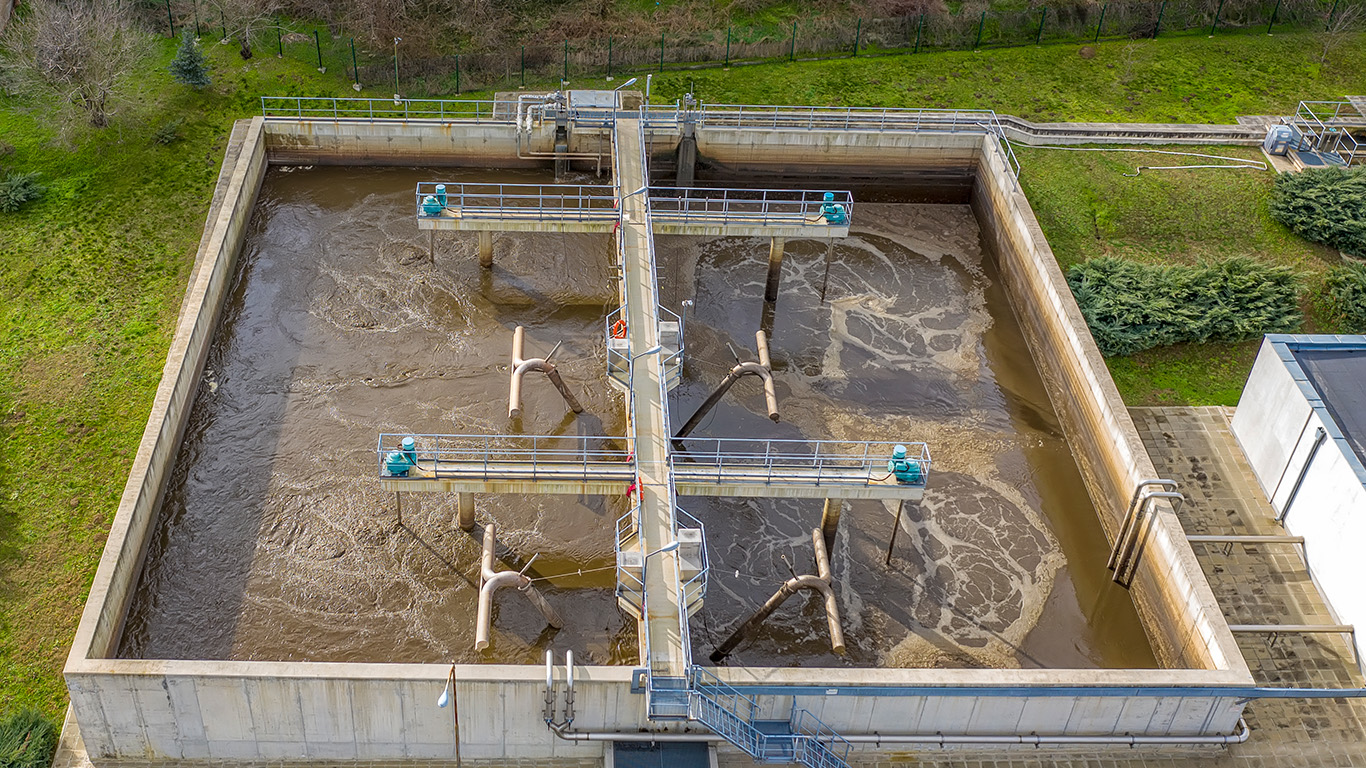
Sludge treatment - An Achilles' heel of the water treatment industry
A fellow colleague approached me with a wastewater treatment problem
not so long ago. We reviewed the data, the number of people the plant was going to
service including the industries, talked casually about the best technologies for
achieving the required effluent standards. It all seemed easily attainable until the
question of sludge treatment crept up. All the professional answers that followed were
a bit rattled by the question “ultimately, when the sludge has been dried and
stabilised, what then?”. This is probably one of the crucial stages in wastewater
treatment process design where the available technologies don't seem to provide a
one-word answer.
To put things into perspective let us consider the water treatment process:
A conventional potable water treatment plant receives raw water from a dam or a river.
Such water contains dissolved and suspended solids which add undesirable colour and
taste. This is then 'removed' using different chemical aided coagulation, settling and
filtration based technologies. A somewhat similar process is used for wastewater
treatment but mainly using bacteria which feed on the organics and nutrients contained
in the feed stream before being settled to form part of the sludge. The amount and
quality of sludge produced is thus directly related to the amount and quality of 'feed'
to the plant and the 'chemicals' used to aid the treatment process. Wastewater treatment
plants in industrialised areas often receive undesirable chemical products; these
include heavy metals which mostly settle out and also form part of the sludge. The
amount and nature heavy metals present in the sludge forms the basis of its
classification and ultimately the environmentally appropriate disposal route.
Water and wastewater engineers find themselves having to make a call about
environmentally considerate sludge disposal route. This often needs to be considered at
preliminary design stage and forms part of the application for environmental
authorisation.The available sludge treatment technologies cover a wide range; from
briquetting, composting, land application and drying before landfill disposal. The
choice is plant and location specific with each technology coming with its own perks.
Briquetting is often energy intensive, composting requires a reliable end user, land
application and landfill disposal requires environmental permits. It is not uncommon for
sludge to be classified hazardous and not be accepted for land application or land
disposal. Water treatment engineers often find themselves able to produce the required
clean and safe water but puzzled by the by-product.
Understanding water and wastewater treatment process design is thus not enough anymore.
In fact, the production of safe drinking water and environmental benign effluent should
be considered second to sludge disposal. The environmental considerations have shifted
most engineering approaches over the years so much that a new way of training engineers
is needed going forward. After-all, it was Albert Einstein who said “the problems we are
currently facing cannot be solved at the same level of thinking they were created”.